

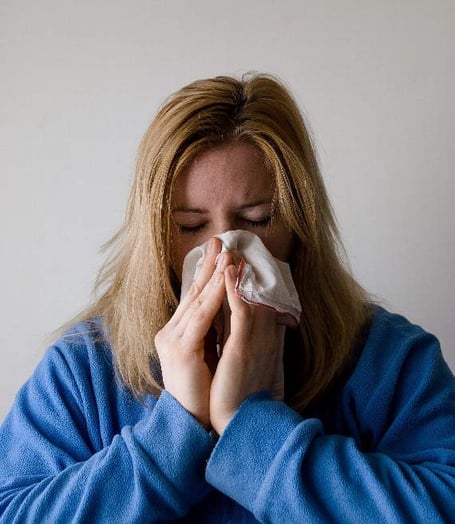
Health professionals are urging ‘at risk’ groups to get their free flu jabs to protect themselves from ‘Aussie flu’ this winter.
The strain of flu, which killed hundreds of patients in Australia during their winter season, is believed to be in Devon, with a reported case in Plymouth.
Nick Phin, Interim Deputy Director for the National Infection Service, said: ‘Flu activity, as measured by a number of different systems, has continued to increase in the last week or two. This is to be expected as the season progresses, and while no two flu seasons are the same, the numbers are in keeping with previous years.
‘We are currently seeing a mix of flu types, including flu B and the A(H3N2) strain that circulated last winter in the UK and then in Australia. We see this H3N2 subtype in many flu seasons and the circulating flu strains match those in the current flu vaccines, meaning they are still the best defence we have against the virus.




‘As in past flu seasons, the Chief Medical Officer has authorised the use of anti-virals for treating flu-like illnesses in communities. We will continue to actively monitor flu activity and we are working closely with NHS England to support their work putting measures in place to manage potential increases in local and national flu activity.
‘It is not too late to get vaccinated and we therefore urge all who are eligible, especially those in at-risk groups that include people aged 65 years or over, pregnant women, and those with certain chronic conditions, to take up the offer of the vaccine.’
A spray vaccine is also available for young children, who are said to spread the diseases quickly around communities. The ‘at risk’ groups include those with underlying medical conditions, who are also eligible for free jabs.
Public Health England has also issued advice to pay attention to basic hygiene, especially when suffering from flu-like symptoms.
Professor Paul Cosford, medical director of Public Health England, said: ‘As we would expect at this time of year, flu levels have increased this week. Our data shows that more people are visiting GPs with flu symptoms and we are seeing more people admitted to hospitals with the flu.
‘The vaccine is the best defence we have against the spread of flu and it isn’t too late to get vaccinated. People suffering with flu-like symptoms should catch coughs or sneezes in tissues and bin them immediately, wash their hands regularly with soap and warm water and frequently clean regularly used surfaces to stop the spread of flu. Avoid having unnecessary contact with other people if you or they have symptoms of flu.’