
A PROPERTY developer, who scarred a 'beautiful Devon meadow' by building an unauthorised track, laying down grasscrete and erecting a 3m high fence, has been given two months to restore the land to its original condition.
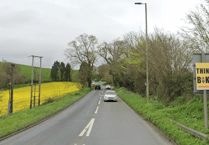
The decision represents a victory for residents of Venn Farm Lane, Teignmouth, who watched with dismay as diggers, JCBs and dumper trucks moved into the field behind their homes last year.
The one hectare field lies within an area of great landscape value and a coastal preservation area and was described by one resident as a haven for butterflies, flowers and wildlife.
The appeal against an enforcement notice issued by Teignbridge Council was brought by owner, Elizabeth Lancaster-Thomas, represented by her husband, Dr Vaughan Lancaster-Thomas.

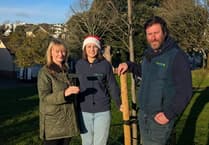

'As far as we are concerned it is an excellent result,' said Bill Carpenter, a resident of 26 years. 'It's not allowing people to ride roughshod over the planning system in a cavalier spirit. It will cost him several thousand pounds to reinstate the land to its original state.'
At a two-day hearing in January, Dr Lancaster-Thomas argued that they were merely improving a way that already existed. He maintained the track was necessary to provide vehicular access to allotments for which he has planning permission and to two septic tanks.
But in the appeal decision, inspector David Harrison said he could find no evidence of a track and that bringing cars into the field would be 'visually harmful'.
He rejected a proposal to cover the hardcore with topsoil and grass and ruled it must be torn up and removed. A 20m sloping ramp into the field from the road will be allowed to stay.
Grasscrete extending into the field from the rear garden of Barn Cottage, owned by Elizabeth Lancaster-Thomas, will also have to be removed. The Lancaster-Thomas' argument that a private way had existed between Barn Cottage and the field was rejected on the basis of photographic evidence supplied by a neighbour, Jenny Bromley. Dr Lancaster-Thomas maintained that the grasscrete was necessary to gain access to Barn Cottage's allotment, created from part of the field. Mr Harrison ruled that it created a 'harmful intrusion into an otherwise open area of land' and saw 'no reason to drive on to an allotment in the first place'. It, too, will have to go. A fence, running along part of the boundary with Venn Farm Lane, will have to be removed within one month. Dr Lancaster-Thomas argued that it was 2m high and was therefore 'permitted development' but the Council's view that it in fact measured 3.16m was upheld by the inspector.
Mr Harrison rejected the argument that the fence was needed to provide future allotment holders with privacy. He said it was 'incongruous' and presented 'a stark and uncompromising boundary to the lane'.
Dr Lancaster-Thomas applied for costs claiming that the council had behaved unreasonably.
The council was stung in making a counterclaim, saying that Dr Lancaster-Thomas had introduced new grounds for appeal at the last minute.
Both claims were dismissed.