
A rare ant is moving into new territories in Teignbridge thanks to the work of volunteers and experts at the Devon Wildlife Trust and advice from Buglife – The Invertebrate Conservation Trust.
The narrow-headed ant is one of the UK’s rarest insects and can only be found in Scotland and at one site on Chudleigh Knighton Heath nature reserve.
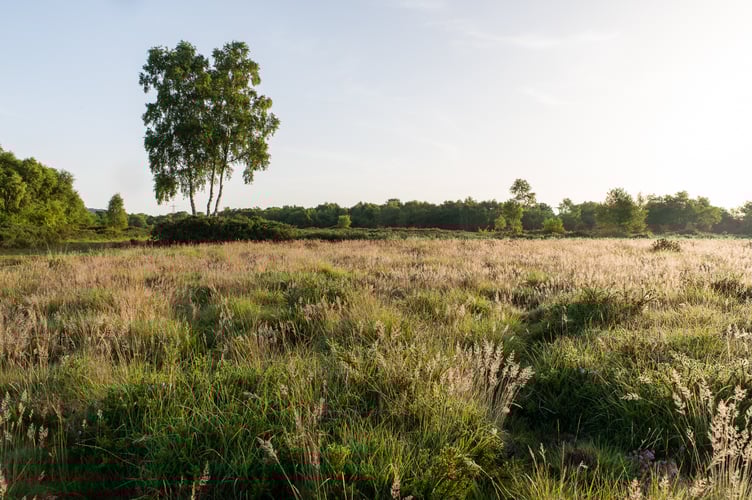
The Devon Wildlife Trust nature reserves team and volunteers have helped ensure the ants have the optimum environment to succeed at Chudleigh Knighton Heath by removing scrub and opening up grassy areas while leaving enough feeding opportunities within reach.
‘Narrow-headed ants have very particular requirements. They need their nests to be in open grassy areas, where the sun can warm them. But also need to be close enough to scrubby plants including gorse, birch and buckthorn which they use to find small insect prey and also harvest honeydew from aphids,’ a spokesperson from Devon Wildlife Trust explained.



Initial results of the work have been positive and Devon Wildlife Trust nature reserves officer Chris Moulton has reported that the narrow headed ants are ‘doing well’. The work has also had a positive impact on other wildlife and the Trust reports that last summer there were increased sightings of nightjars and Dartford Warblers.
However, with concerns about the safety of having the rare ants confined to just one site, Devon Wildlife Trust were keen to try to introduce the species to other areas. ‘Having a rare ant living at a single site isn’t the safest of survival strategies,’ the Devon Wildlife Trust spokesperson explained. ‘A warming climate leaves the ants vulnerable to specific threats. Scrub grows more quickly, smothering open areas, while destructive wildfires become more common,’ the spokesperson added. The Trust’s team has tried to mitigate the risks by cutting back bramble and gorse and making firebreaks, however, a more sustainable solution was required.
With the ants doing so well at Chudleigh Knighton Heath, Devon Wildlife Trust began developing trial techniques to establish nest colonies at other sites in Teignbridge including Bovey Heathfield, Teigngrace Meadow and other areas on Chudleigh Knighton Heath.
Thanks to support from Buglife, around 50 narrow headed ant queens have been released into new areas across the three sites each year for the past three years.
It can take time for queens to build up their new colonies and develop new nests, so Devon Wildlife Trust is continuing its trial work and keeping a hopeful watch for the first signs of new nests.
The narrow-headed ant is one of the rarest insects in the UK. Although it was never common, numbers plummeted in the 20th century as its favoured heathland homes were lost.
The ant, which looks similar to, but is smaller than, a wood ant, has a characteristic pinch shaped head which gives it its name. The ants live in colonies of around 1,000 to 5,000 individuals. They construct and maintain a small, mound-shaped nest topped with a thatch of nibbled grass stems or heather, depending on whatever is available. Each colony contains a queen, or several queens, who can live for between 10-25 years.
Comments
We've recently changed our login process. If you have an account for commenting, you will need to re-register on the login window.
This article has no comments yet. Be the first to leave a comment.