

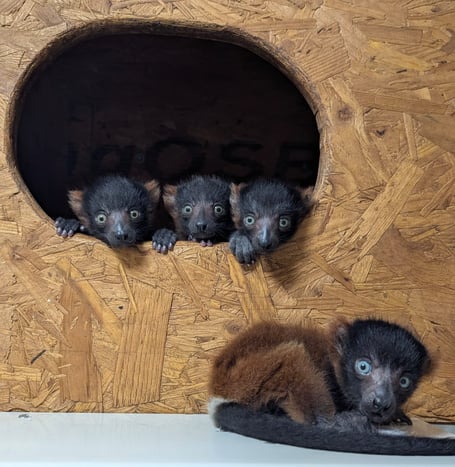
SPRING is in the air at Shaldon Wildlife Trust which is celebrating an extraordinary "baby boom" following the birth of four critically endangered red-ruffed lemurs.
The quadruplets, born on May 4 to mother Eka and father Nero, represent a significant milestone for the small charity and for the European breeding programme.
While twins are common for this species, quadruplets are incredibly rare, occurring in fewer than six per cent of births worldwide.
Despite being one of the UK’s smaller wildlife charities, Shaldon is known for punching well above its weight on the international stage.


These newborns are part of the European Association of Zoos and Aquariums (EAZA) breeding programme, a vital Europe-wide effort to ensure the survival of red-ruffed lemurs, which are only found in a small area in the Northeast of Madagascar.
Alongside being part of the breeding programme, Shaldon Wildlife Trust directly supports the protection of these animals in the wild through their field conservation partner, the Lemur Conservation Association (AEECL).
The news comes on the heels of the trust being featured in National Geographic as one of the top zoos globally dedicated to conservation, further cementing the small zoo’s role in global wildlife preservation.
The four youngsters are already keeping mum, Eka, very busy.
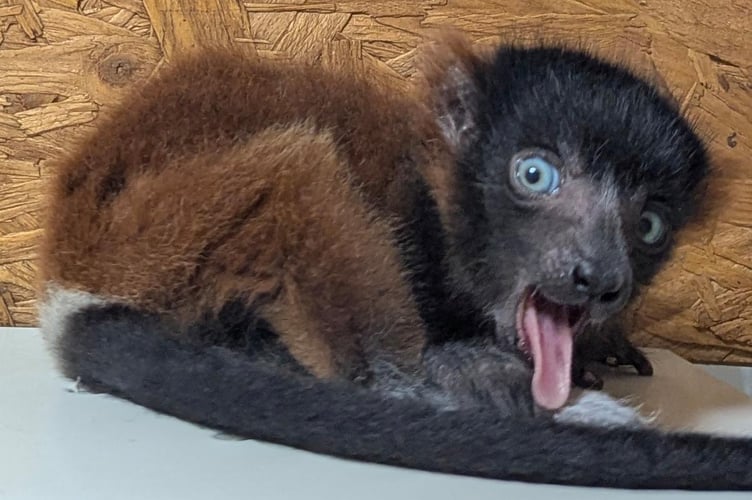
Visitors to the trust may soon be able to catch a glimpse of the youngsters as they become more active in their habitat.
Zak Showell, Director of Shaldon Wildlife Trust, said: ‘To have four healthy infants at once is a real testament to the care our team provides.
‘We’ve had a lot of excitement recently with the National Geographic coverage, but there is nothing quite like the arrival of quads to remind us why we do what we do.
‘It’s a huge win for the species and a proud moment for Shaldon.’
Comments
We've recently changed our login process. If you have an account for commenting, you will need to re-register on the login window.
This article has no comments yet. Be the first to leave a comment.