

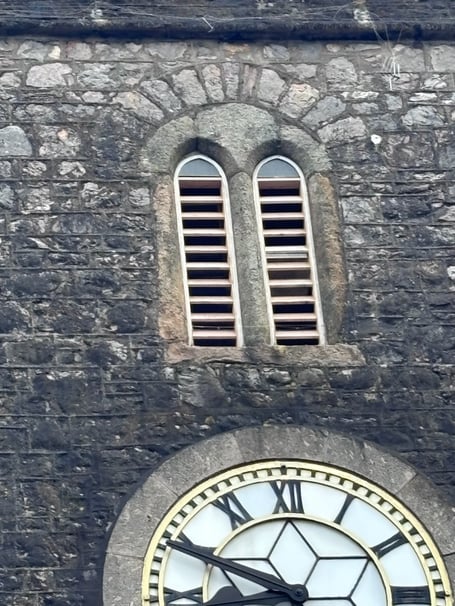
HOPES are high that Newton Abbot’s population of swifts will be boosted with the installation of new nesting boxes.
Newton Abbot Town Council is behind the move to support wildlife conservation by setting up new swift nest boxes at the historic St Leonard’s Tower.
The boxes, provided by the Devon Swift Project, were installed by specialist Jerry Horn who has extensive experience of fitting them into church towers and heritage structures across Devon.
The initiative comes at a crucial time for the UK’s swift population.

In the past 20 years, common swifts have declined by up to 60 per cent, with almost half of that loss in the last decade alone.
This dramatic reduction is widely linked to modern construction techniques and changing land management practices which have steadily removed traditional nooks and crevices swifts rely on for nesting.
Unlike many birds, swifts cannot perch and must return to the same type of nesting site each year, making the loss of suitable spaces especially damaging to their survival.
The new nest boxes at St Leonard’s Tower aim to help reverse this trend by providing swifts with safe, secure, and long‑lasting nesting opportunities in Newton Abbot.
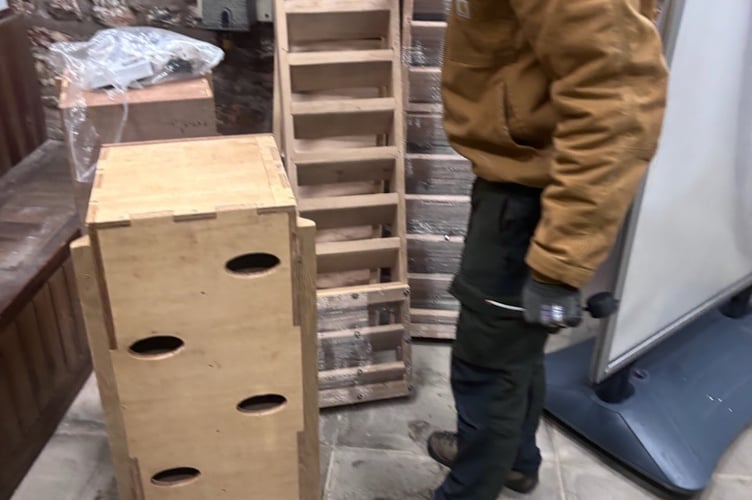
It is hoped that, over time, the tower will support a thriving colony, helping to increase the number of swifts returning to the town each summer.
Rob Woodger, Facilities Maintenance Team Leader at Newton Abbot Town Council, said: ‘We‘re proud to play our part in supporting swift conservation here in Newton Abbot.
‘St Leonard’s Tower is a landmark with deep local significance and creating new nesting opportunities ensures these extraordinary birds continue to grace our skies.
‘Small actions like this can make a big difference to the future of our local wildlife.’
The town council encourages residents to learn more about how they can support swift conservation, from installing nest boxes at home to getting involved with local wildlife initiatives.
Comments
This article has no comments yet. Be the first to leave a comment.