
A HISTORIC manor house near Kenton is seeking to install a new bespoke kitchen within its Grade I listed building.
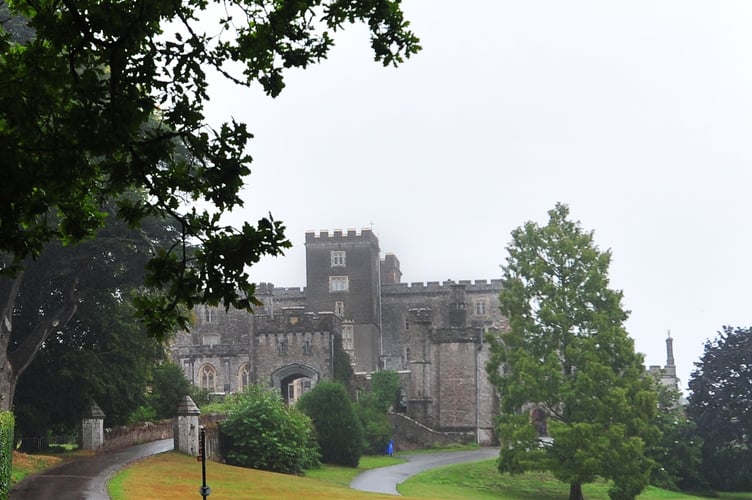
Submitted by the Powderham Estate, the application - reference 26/01220/LBC - is seeking Listed Building Consent (LBC) for the installation of a new kitchen within the existing private dining room, also known as the small dining room at Powderham Castle, pictured.
The proposal has been developed ‘to provide a functional domestic kitchen while respecting the architectural and historic significance of the Grade I listed building’, the design and access statement for 26/01220/LBC says.
Teignbridge Council are due to make a decision by October 13.
The proposals involve fitting the kitchen within an existing room, with no extension to the building and no external alterations planned.
The new kitchen would feature painted Shaker-style cabinetry in a heritage colour, alongside natural stone worktops and solid brass fittings.
According to the plans, the materials and detailing have been chosen to complement the historic interior.
The layout has been designed to make efficient use of the existing space, while retaining the room’s proportions and architectural features.
Existing walls and ceilings would remain untouched.
The proposals also aim to minimise any impact on the historic fabric of the building.

New services, such as plumbing and electrical supplies, would be routed discreetly wherever possible.
The application states that the new kitchen would also provide an improvement on the previous domestic kitchen, which was located in the pantry.
To view the application in full, visit Teignbridge Council’s planning portal and enter ‘26/01220/LBC’ into the search-box.
Starting with a structure dating back to sometime after 1390, the castle has been extensively expanded and remodelled over the centuries, particularly during the 18th and 19th centuries.
It remains the ancestral seat of the Courtenay family, the Earls of Devon.
The name Powderham is thought to derive from the old Dutch word polder, meaning ‘the hamlet of the reclaimed marshland’.
Comments
We've recently changed our login process. If you have an account for commenting, you will need to re-register on the login window.
This article has no comments yet. Be the first to leave a comment.